
Maintenance Through the Seasons
Small steps throughout the year can help your project flourish. Maintenance needs depend on time of year, project type, and a variety of other factors. The timeline below can serve as a starting point for some general best practices.
Maintenance will be influenced by the garden's maturity. For example, in the plants' first year, more frequent watering ( at least 1 inch of water per week) will be necessary. As the garden is more established, its longer roots will reduce the need for such frequent watering.
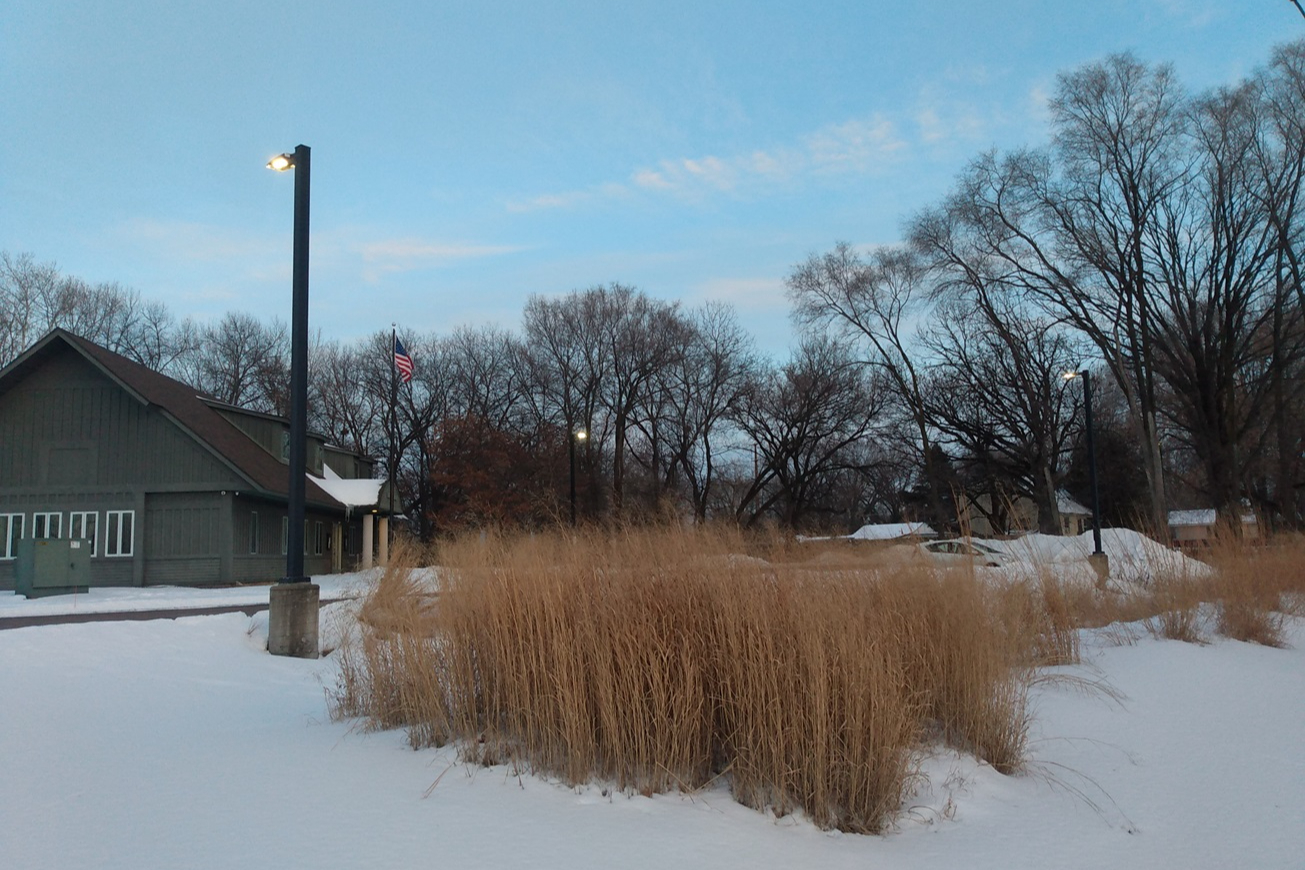
Winter
- Avoid piling snow on top of your garden, as this can contain salt that harms plants.
- Begin planning maintenance for the growing season ahead.
- Keep rain garden inlets clear of any debris, sediment, or trash.
- Prune shrubs before blooms reappear in spring.
- Find more overwintering tips in this article from Blue Thumb.
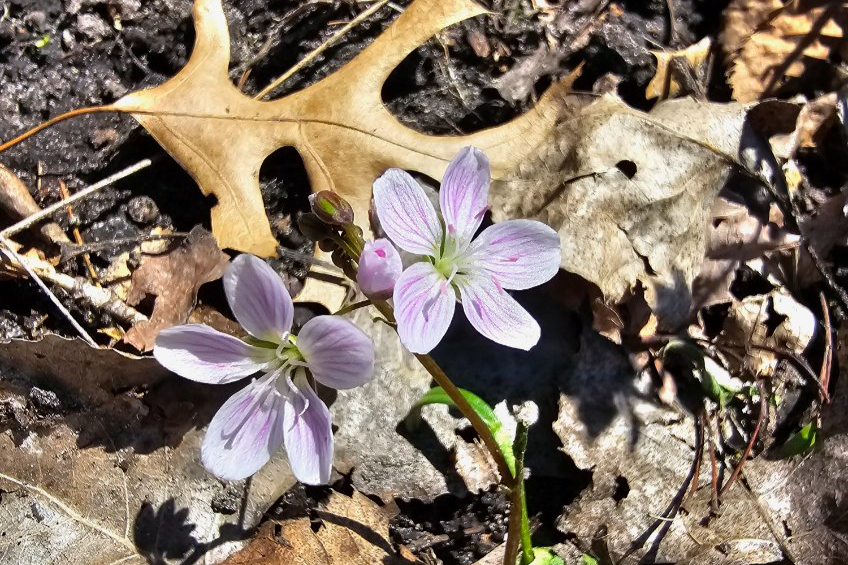
Spring
- Keep an eye on soil temperatures. It's recommended to hold on any maintenance until soil temperatures are consistently above 50 degrees, as this prevents maintenance from harming pollinators who are still overwintering.
- Clean up leaves, trash, or other debris.
- Remove any dead plants and fill in gaps with new plants.
- Cut back old plants, leaving 12-inch hollow stems for pollinators.
- Weed the garden around the time that dandelions emerge.
- Add undyed, double-shredded hardwood mulch as desired.
- Check for lifted edging.
- Thin or divide plants as desired.
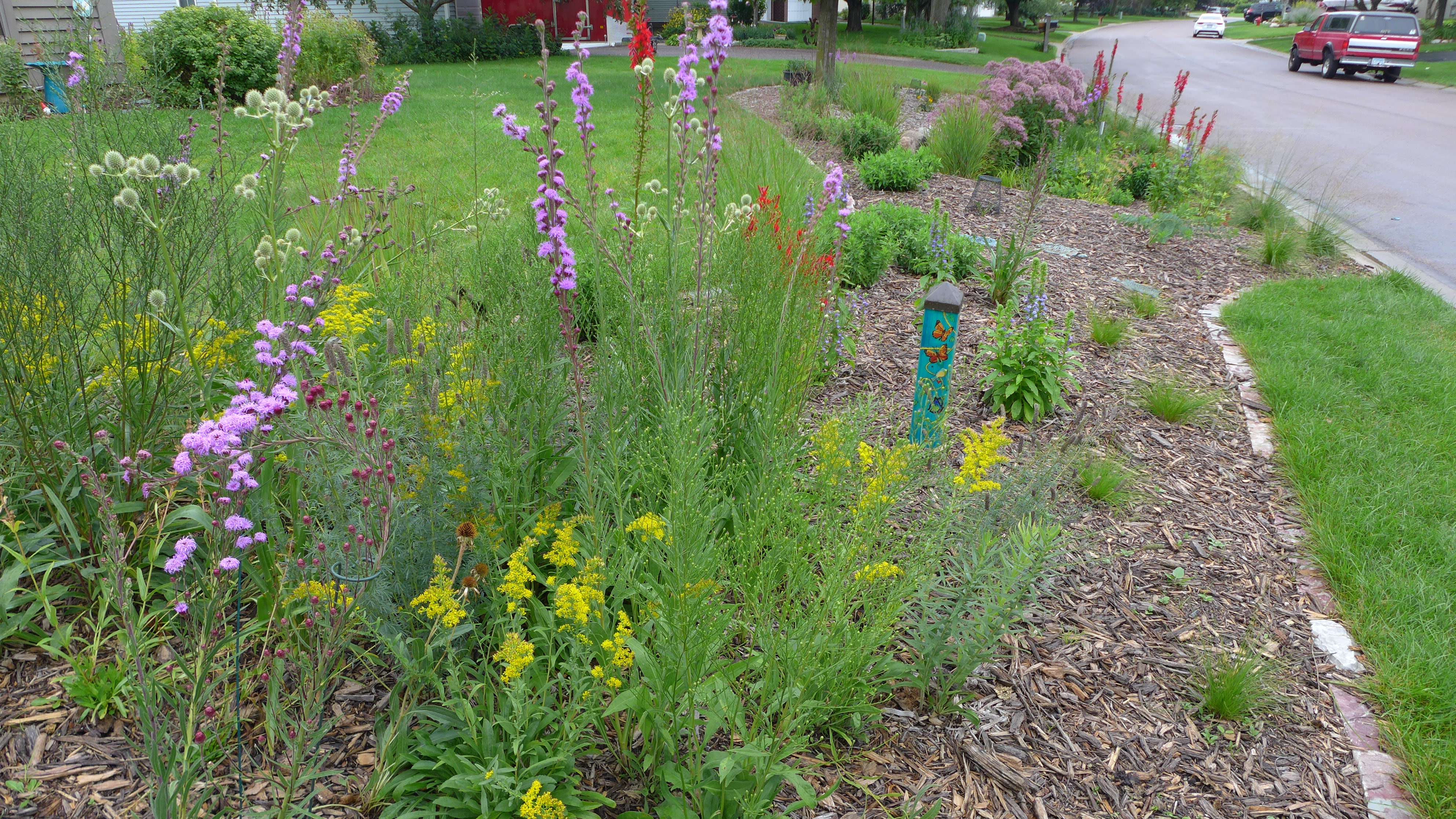
Summer
- Weed the garden around July 4th.
- Water plants as needed, especially in drought conditions. Younger plants (especially in their first year) will require more frequent watering until they are established.
- Check rain gardens for standing water - they should drain within 48 hours of precipitation.
- Check for erosion and stabilize as needed.
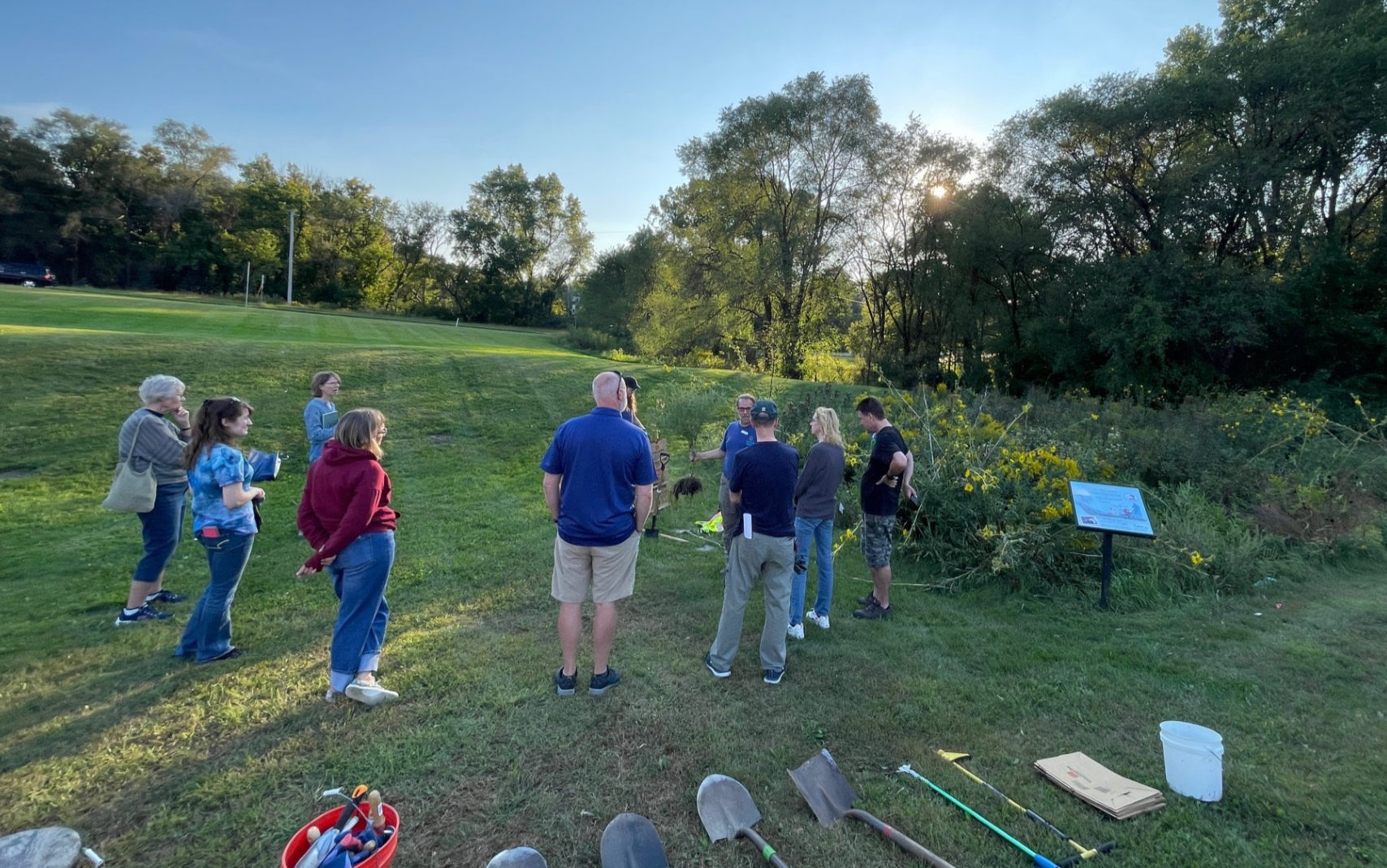
Fall
- Weed the garden around Labor Day.
- Protect sensitive plants from lowering temperatures.
- Divide plants as desired.
- Replace or add more plants as needed.
- Instead of cutting the garden back, consider leaving plants to help pollinators survive the winter.
How to Identify and Maintain Weeds in your Native Plant Garden (Video)
In this Blue Thumb video, Rich Harrison from Metro Blooms Design+Build goes over some common weeds you might see in a Minnesota garden and explains how to remove them.
Continued learning can help your project thrive, year after year.
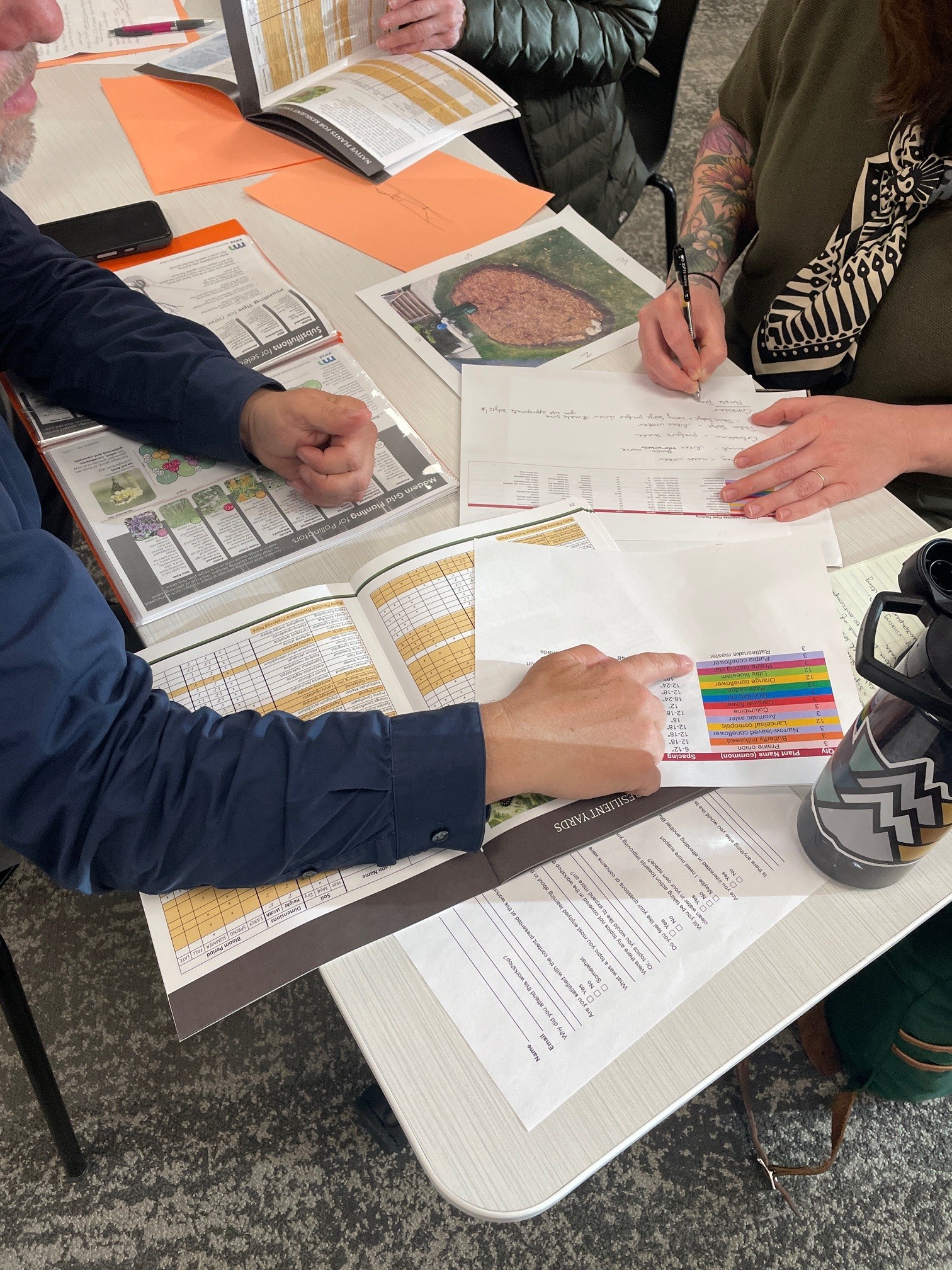
Learn in person
Consider attending a workshop. Find one locally and sign up at VLAWMO.org/events.
Typically, maintenance workshops are held locally in the fall.
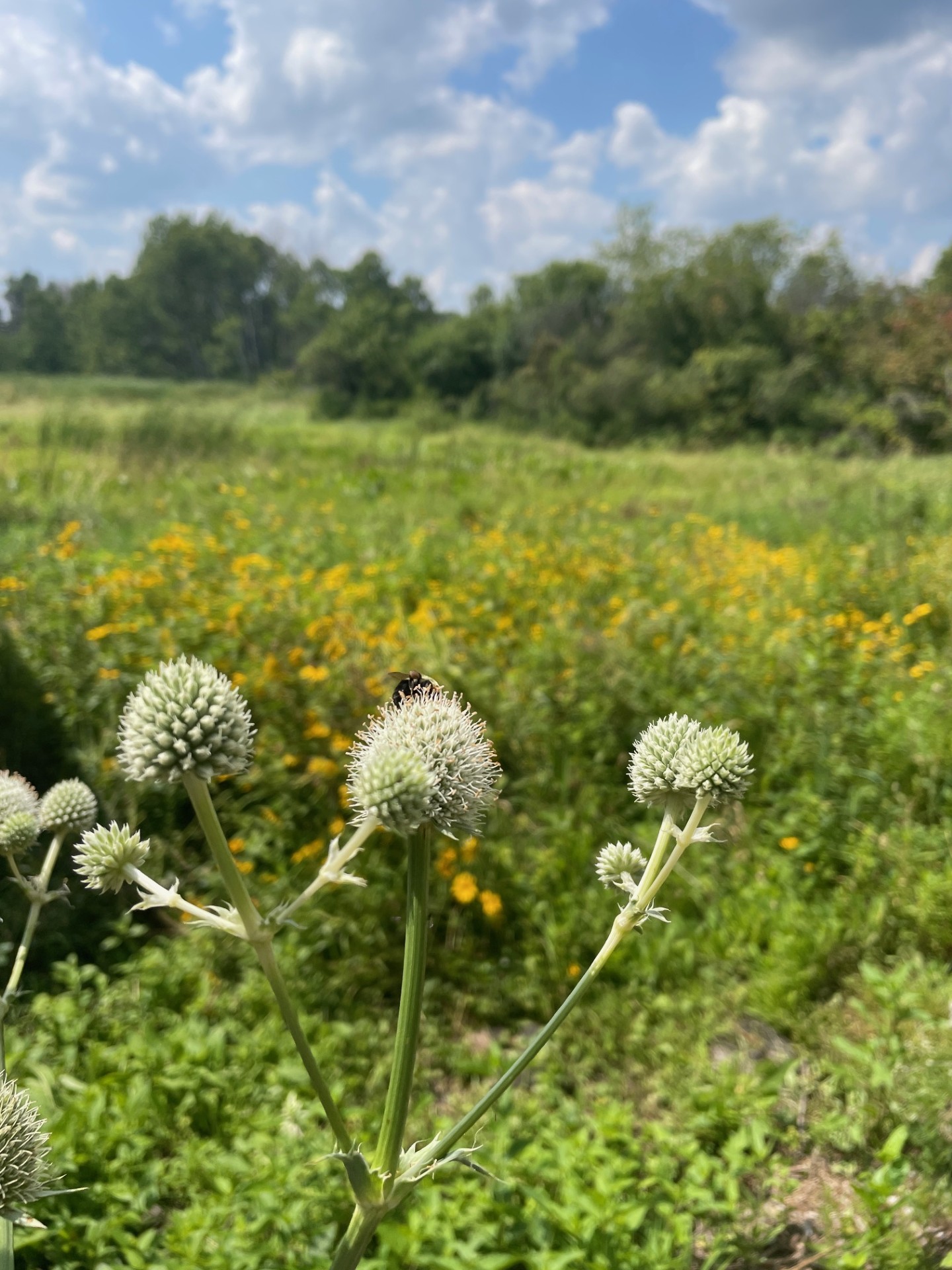
Learn on your own time
Try out a free online course through Blue Thumb. Topics include resilient yards, turf alternatives, seed saving, and resilient shorelines. Learn more and sign up at bluethumb.org/events.