VLAWMO's mission is to protect and improve the water and natural resources in the watershed.
We work toward this mission through water quality monitoring, projects, wetland protection, and engaging with the community. Learn about the big picture of our work in our Watershed Management Plan. Our everyday work primarily falls into the following activities.
We protect local lakes, streams, and wetlands through a variety of water quality projects.
Over half of Minnesota's waterbodies are listed as impaired by the Minnesota Pollution Control Agency (MPCA), and Minnesota has lost over half of its historic wetlands. To address these challenges, we strive to:
- Reduce landscape inputs. Sediment and nutrients become pollutants when they wash into water from the landscape. These pollutants can come from streets, yards, ditches, or storm drains.
- Restore the shore. Shorelines are valuable spaces for protecting water quality and maximizing a waterbody's holding capacity. We work to restore vegetated buffers around lakes, streams, wetlands, and stormwater ponds, and we support others in doing the same.
- Identify. Every nook and cranny of the watershed is unique. We identify custom solutions for waterbodies while considering topography, soil, vegetation, development impacts, and influences both upstream and downstream.
- Innovate. We harness education and technology to help communities conserve wetland and groundwater resources.
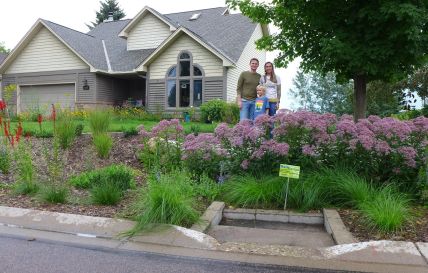
We improve water storage and impaired waterbodies by renovating the built landscape.
These simple strategies guide how we work with stormwater:
- Slow it down. Slower runoff does less damage to ditches, inlets, and exposed soil. It also has less "oomph" to carry debris and contaminants downstream.
- Spread it out. While the conventional approach has been to channel, consolidate, and move water away quickly, the "spread it out" strategy gives water more space and time, and restores a balance that resembles the historic water cycle.
- Soak it in. Wetlands and water-friendly landscaping such as rain gardens and bioswales are important tools for the connection between surface and groundwater.
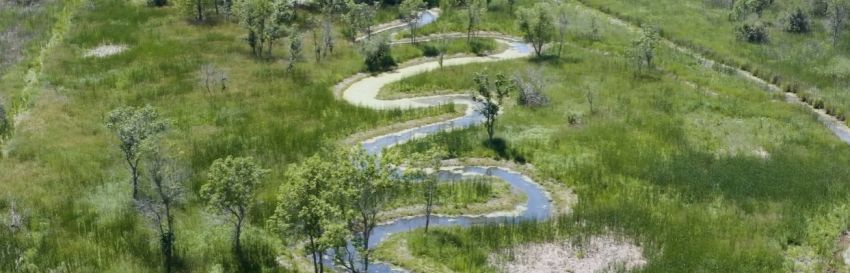
We monitor local water resources.
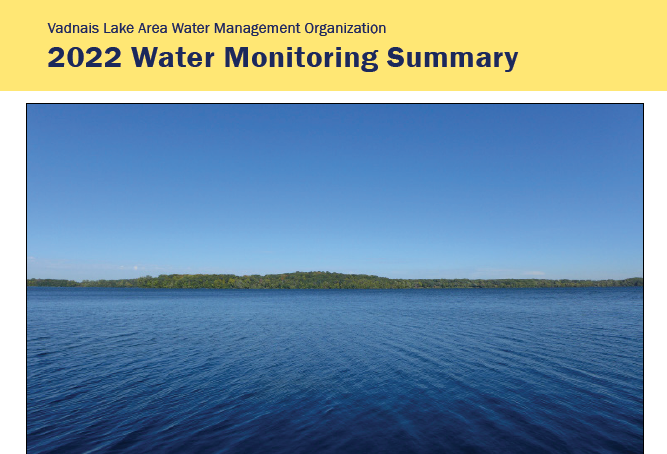
Monitoring informs local projects, plans, and policies with grounded data. VLAWMO's water monitoring program includes:
- Water quality. We monitor 15 lakes and Lambert Creek for a variety of parameters. Learn more on the Water Quality page.
- Water quantity. We monitor lake levels, creek flows, precipitation, and how water conveyance performs for the overall watershed and drainage system.
- Special monitoring. We conduct special monitoring depending on needs, partnerships, and funding. Examples include chloride (salt) levels, bacteria levels, and storm events.
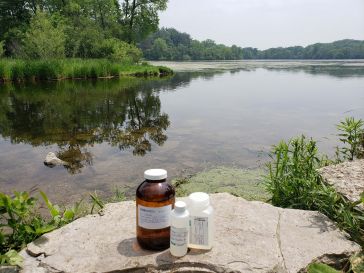
We create plans and policies for our member municipalities to adopt and enforce.
As a Water Management Organization (WMO), VLAWMO does not have a permitting department. Rather, we support water resource planning on the local governmental level through review, guidance, and support. With the exception of the Wetland Conservation Act (WCA), VLAWMO is not a regulatory agency. Learn more on the Rules & Policies page.
Water management takes place on public and private land alike. Through partnerships, we complete research and studies that guide projects and programs. Taking a community approach, we team up with municipalities, businesses, schools, and private landowners. Each partnership can include a range of plans or studies to complete projects with community-oriented results.
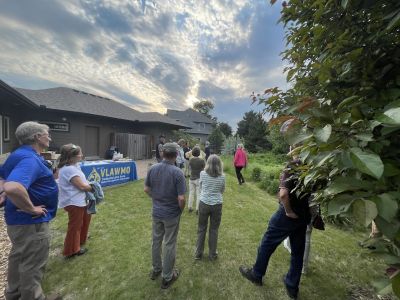
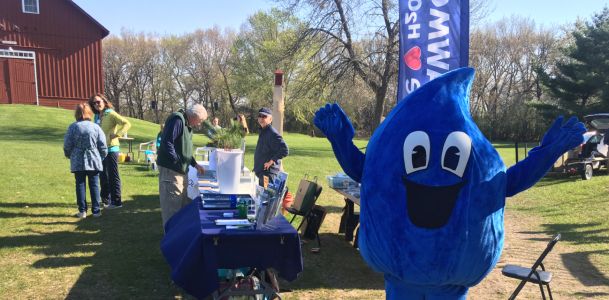
We coordinate programs that foster local leadership and collaboration.
Every property, park, and parking lot is part of the watershed puzzle. Landscape renovations, long-term maintenance, and water-friendly behaviors are crucial parts of our work that go further with community investment. We provide resources, workshops, tips, and volunteer opportunities for community members to lead the way, partner with community groups, expand our reach, and inspire others.
We are passionate about sparking community water stewardship.